
Getting comfortable with salsa partnerwork
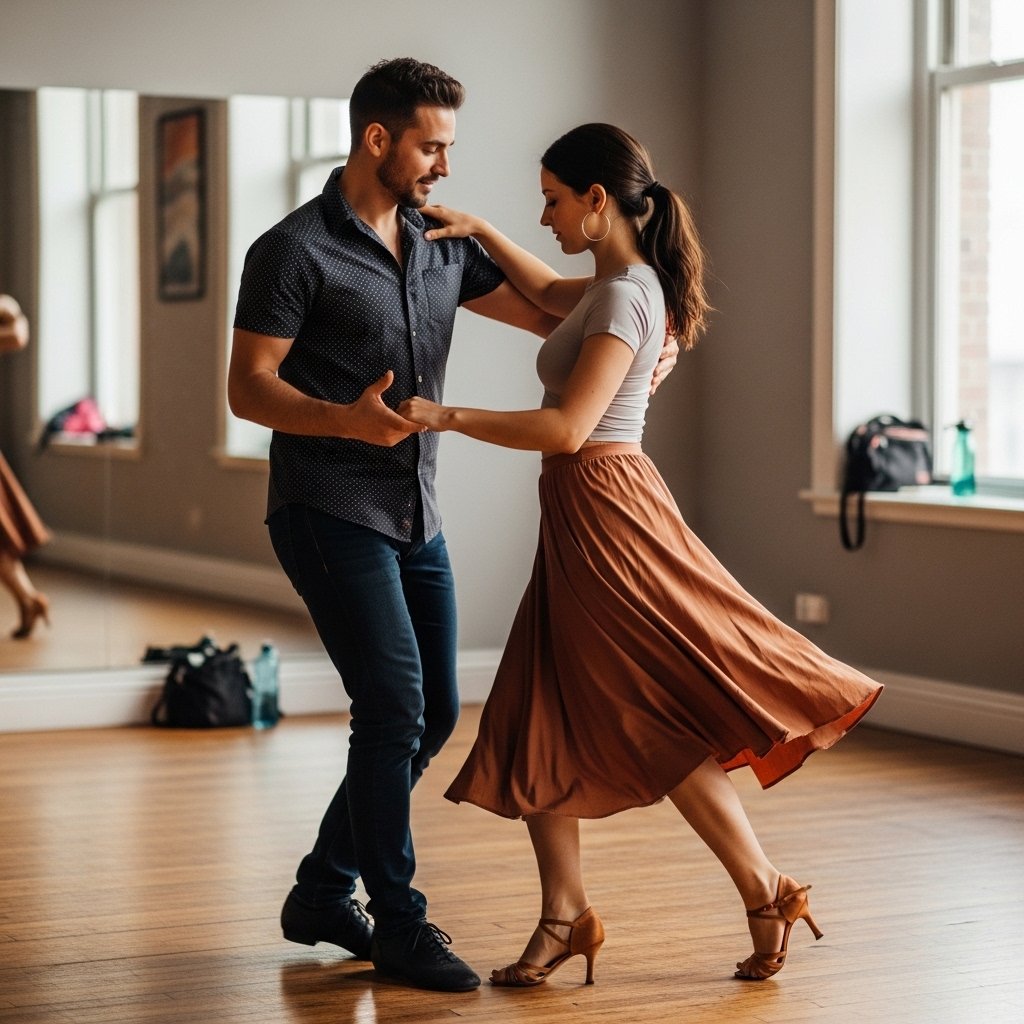
Savoring a late evening at Havana Social Club, it’s hard to miss the magnetic pull of salsa partnerwork. Whether the band’s first trumpet notes have you tapping under the table or you linger near the dance floor until the final set, partnerwork is the secret heart of salsa—and everyone, from regulars to first-timers, can unlock its magic.
If you’ve taken a few solo salsa steps at home or in group classes, stepping into the world of partnerwork might feel like walking into a conversation where everyone but you knows the jokes. However, the rhythm here is built for two, and nobody expects you to be perfect on your first try. At Havana Social Club, your instructors pair you up and guide you gently through the initial connection—no awkward “will-you-dance-with-me?” moment required. That hand-to-hand contact, the shared smile as you miss a beat together, are all part of the journey.
Why salsa partnerwork matters
partnerwork isn’t just about memorizing patterns (though you’ll pick up plenty). It’s about reading subtle signals—a glance, the lightest of tugs, a shoulder drop hinting at the next turn. In the playful glow of Havana’s lights, this nonverbal dialogue helps beginners relax into the rhythm, and regulars innovate on every song. It’s not uncommon to see seasoned dancers improvising, their trust honed over laughter and the occasional misstep. Everyone is learning; everyone adapts. More importantly, partnerwork is the moment you stop dancing alone and start building something fun together.
Key partnerwork skills to develop
Sure, everyone wants to pull off a slick crossbody lead or a dramatic spin. But partnerwork at Havana is more about genuine connection than perfection. Here are a few essentials you’ll pick up and practice:
- Frame & Connection: Keep your arms lively but not tense—think gently fizzing soda rather than stiff cables. A responsive frame makes leading and following clear and comfortable.
- Timing: Stay in step with both music and partner. If you step off-beat, don’t worry—the band is used to dancers laughing through corrections.
- Turns and Cues: The best cues are subtle. Leaders and followers both learn to watch for slight shifts and gentle guidance. In partnerwork-focused classes, instructors give real-time feedback to build trust in these cues.
- Safety and Comfort: A respectful grasp and clear eye contact go a long way. It’s never about force—if your partner feels secure, you both move more freely.
Common salsa partnerwork mistakes (and why they’re okay)
Let’s clear one thing up: mistakes are part of the fun. Beginners often try to steer each other with too much enthusiasm, arms locked like a roller coaster bar. The opposite happens too—leading so timidly that you barely move. In a low-lit, good-humored club like Havana, these hiccups draw smiles instead of groans. Instructors will often pause to demo a flub, showing that real progress is messy. Experienced partnerwork dancers remember being “all left feet,” and your willingness to try is respected more than spotless technique.
Choosing the right salsa partnerwork class for you
At Havana Social Club, classes are tailored for different comfort levels and social moods. Night owls often join the late sessions, where the music is dialed up and the teaching style gets a little more playful. If you prefer a structured approach, start with the earlier beginner classes; for a more relaxed, social dynamic, try the midnight practice round with rotating partners and more laughs than drills. The aim is always the same: to make partnerwork feel as natural as swapping stories at the bar.
Blending social dance and technique
One key element our community loves is that partnerwork classes alternate between formal technique and playful improvisation. After a short demo, you’ll dance with different partners, learning how every individual adapts the same steps. This isn’t just a dance lesson—it’s a chance to tune into another person, adapt the style, and sometimes, invent moves of your own. For tips on the social etiquette of partner dancing, this guide from SalsaNewYork is a favorite among our instructors.
From first steps to late-night confidence
If the thought of salsa partnerwork is intimidating, remember: every regular at Havana Social Club started in your shoes. Most recall their first anxious turn—and the satisfying moment when music, mind, and movement finally lined up. The trick isn’t avoiding mistakes, it’s staying curious, listening to your body and partner, and surrendering to the pulse of the room. If you stumble, you’ll find more than one partner ready to help you laugh it off and try again.
The Havana Social Club difference
Our instructors bring warmth and a dash of nocturnal humor to each session. We don’t just teach steps; we show you how to connect, communicate, and enjoy the simple thrill of moving in sync. salsa partnerwork here is a dance lesson, but also a nightly ritual—one you’ll look forward to each time you hear the congas start up.
Try salsa partnerwork for yourself
Next time you find yourself near Havana Social Club—or any lively Latin nightspot—step closer to the floor. Join a class or shadow the dancers before jumping in. Maybe you’ll have that “aha” moment on your first spin, or maybe it’ll come after hours of laughter and missed cues. The experience is always richer together. salsa partnerwork isn’t just a way to learn—it’s the reason many of us come back, night after night, for another dance.